 +(91) 7014642242
 neurospinesolution@gmail.com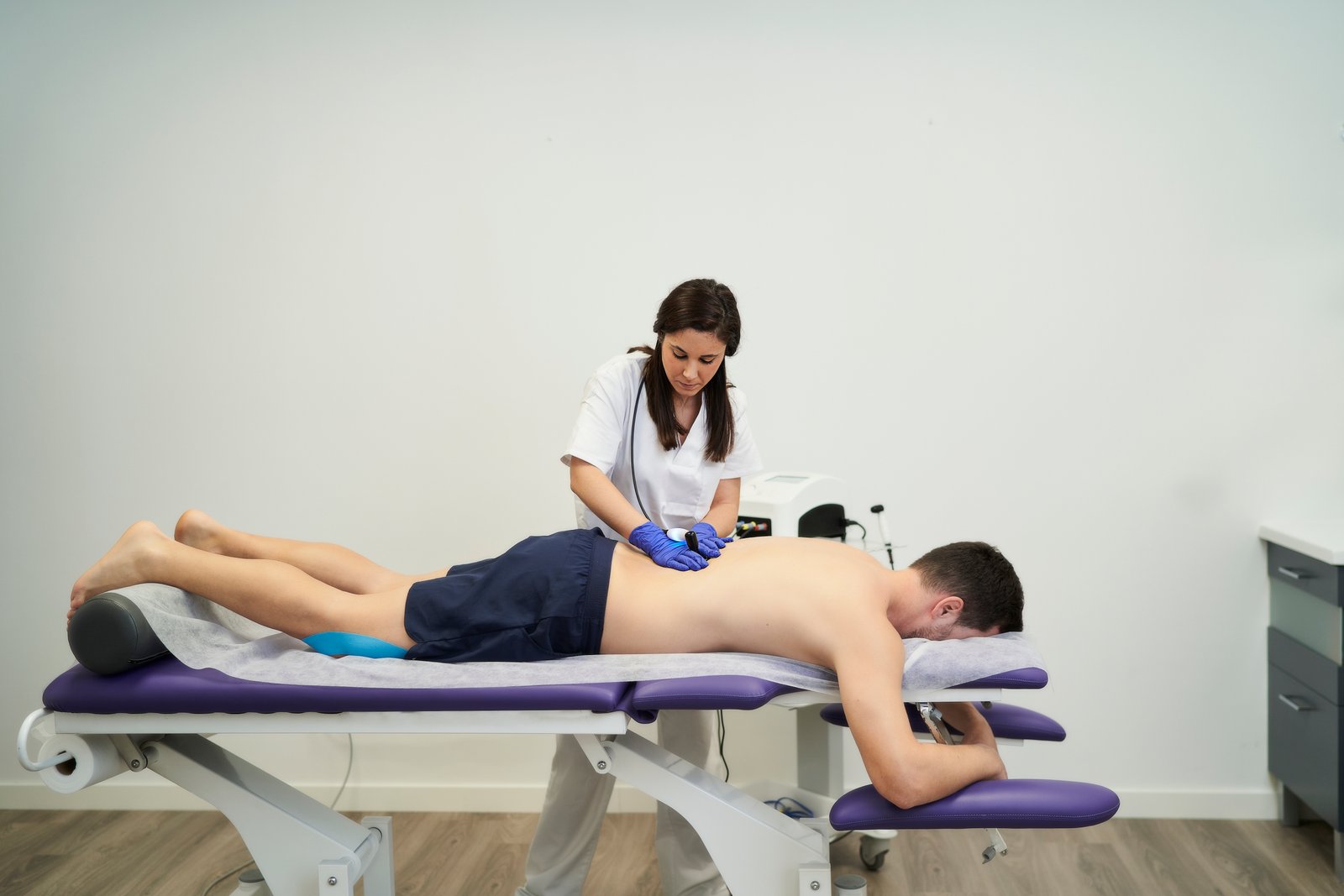
Understanding Herniated Discs
A slipped disc, also known as a herniated or prolapsed disc, occurs when the soft, gel-like center of a spinal disc pushes through a crack in the tougher exterior casing. This can irritate nearby nerves and result in pain, numbness, or weakness in an arm or leg.
At Neuro Spine Solution, we specialize in non-surgical recovery for slipped discs. Our approach focuses on relieving pressure on the nerve, reducing inflammation, and strengthening the muscles that support the spine to prevent recurrence.
Our Treatment Approach
We utilize a combination of advanced physiotherapy techniques tailored to the severity of your herniation:
- McKenzie Method (MDT): Specific movements to centralize pain and move the disc back into place.
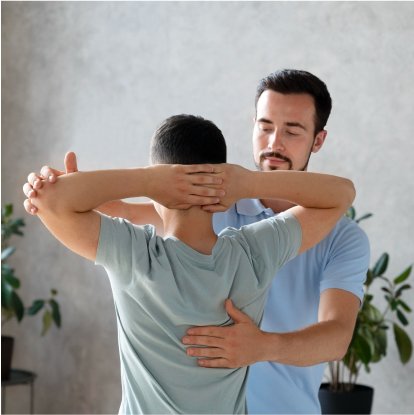
- Manual Therapy: Hands-on mobilization to improve spinal joint function.
- Spinal Decompression: Traction therapy to relieve pressure on the compressed discs.
- Core Stabilization: Strengthening the abdominal and back muscles to protect the spine.
- Electrotherapy: Using modalities like IFT or TENS to manage acute pain.
Common Questions
Answers to your concerns about Slipped Disc recovery.
In the vast majority of cases, no. About 90% of slipped disc patients recover with physiotherapy, rest, and pain management within 6 weeks. Surgery is usually considered only if there is severe muscle weakness, loss of bladder control, or if conservative treatment fails after a prolonged period.
Recovery time varies. Acute pain often subsides within a few weeks of starting physiotherapy. However, full rehabilitation to strengthen the spine and prevent future injury typically takes 6 to 12 weeks of consistent treatment.
Only for the first 1-2 days if the pain is severe. Prolonged bed rest can actually weaken muscles and stiffen joints, making recovery harder. Gentle movement and guided physiotherapy exercises are much more effective for healing.
Common causes include age-related wear and tear (degeneration), lifting heavy objects with improper form, twisting movements, or sudden impact injuries. Being overweight and having a sedentary lifestyle also increase the risk.