 +(91) 7014642242
 neurospinesolution@gmail.com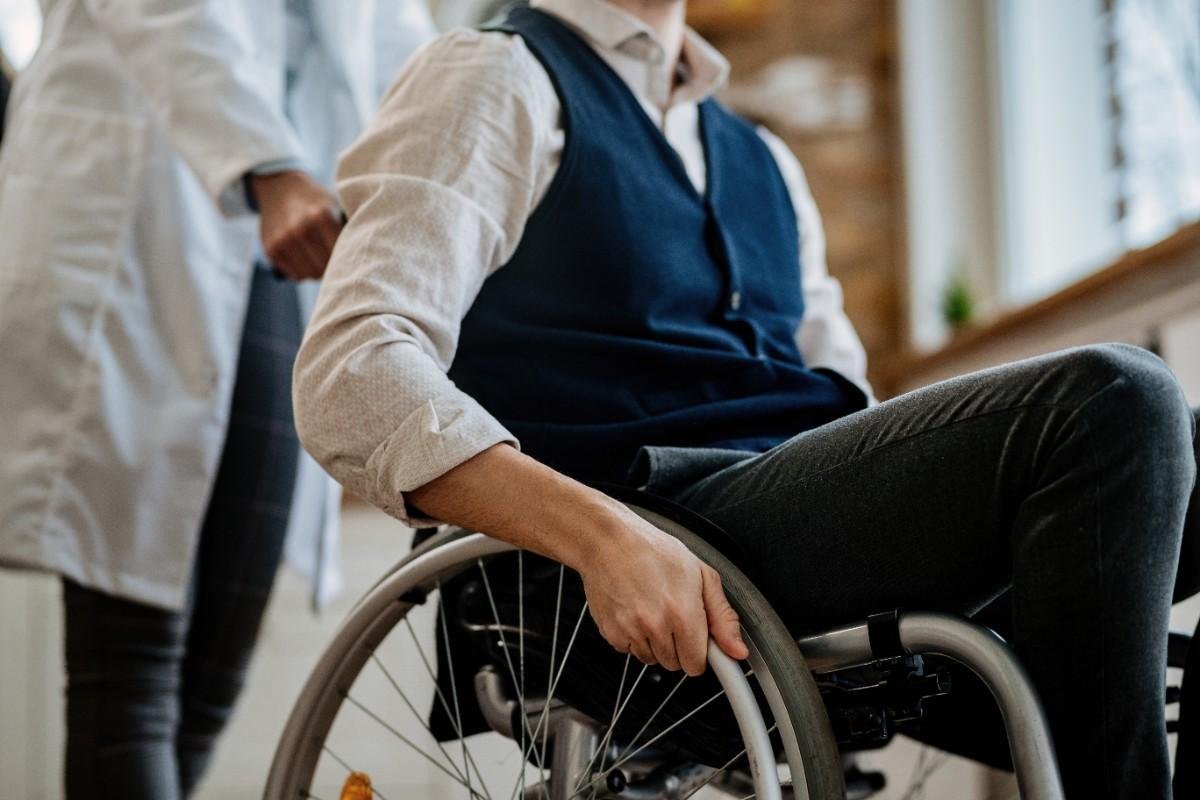
Understanding Paralysis Rehabilitation
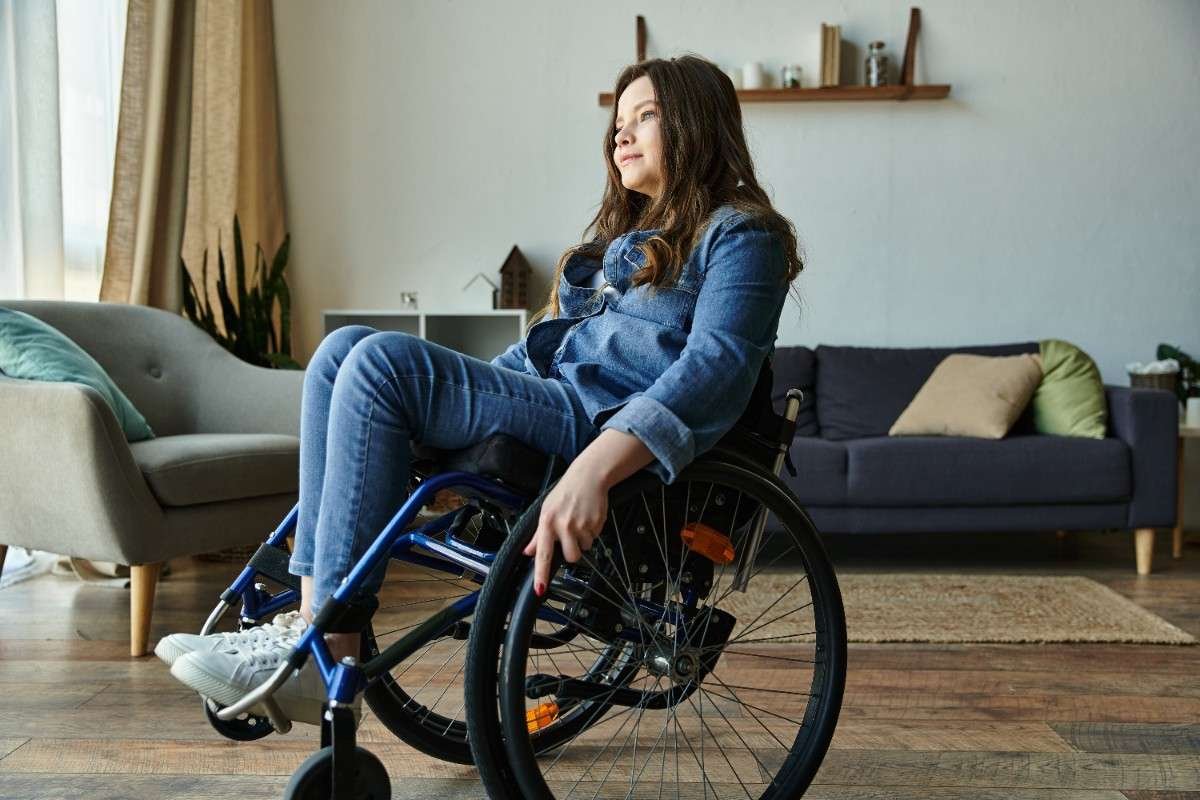
Paralysis is the loss of muscle function in part of your body, often caused by strokes, spinal cord injuries, or nerve damage. While the condition can be life-altering, rehabilitation plays a critical role in restoring movement and independence.
Our approach focuses on Neuroplasticity—the brain's ability to rewire itself. Through high-repetition exercises, electrical stimulation, and functional training, we aim to wake up dormant neural pathways, prevent muscle atrophy, and retrain the body to perform daily tasks.
Types We Treat
We provide specialized care for various forms of paralysis:
Hemiplegia:
Paralysis on one side of the body (common after stroke).
Paraplegia:
Paralysis affecting the lower half of the body.
Quadriplegia:
Paralysis affecting all four limbs and torso.
Bell's Palsy:
Facial muscle weakness or paralysis.
Monoplegia:
Paralysis restricted to a single limb.
Spasticity Management:
Treating stiff, tight muscles associated with paralysis.
Our Rehab Strategy
We combine manual techniques with advanced modalities:
Task-Specific Training
Breaking down complex movements (like grabbing a cup or standing up) into smaller, repetitive steps to retrain the brain.
Electrical Stimulation (FES/NMES)
Using safe electrical impulses to artificially contract paralyzed muscles, maintaining muscle mass and promoting nerve recovery.
Gait & Balance Training
Using parallel bars, walkers, or Body Weight Support systems to practice walking safely and improve core stability.
Frequently Asked Questions
Common questions about paralysis recovery.
Recovery is highly individual. Some patients see improvements in weeks, while others require months or years. Consistency in rehabilitation is the most important factor for long-term progress.
Flaccid paralysis means muscles are loose and weak with low tone. Spastic paralysis means muscles are tight and stiff with high tone. We have specific treatment protocols for both types.
Yes. While early intervention is best, neuroplasticity is a lifelong process. We can often help improve independence, reduce spasticity, and prevent complications even in chronic cases.
Yes, we offer specialized facial neuromuscular retraining and electrical stimulation to help restore facial symmetry and function for Bell's Palsy patients.