 +(91) 7014642242
 neurospinesolution@gmail.com

Restoring Upright Mobility
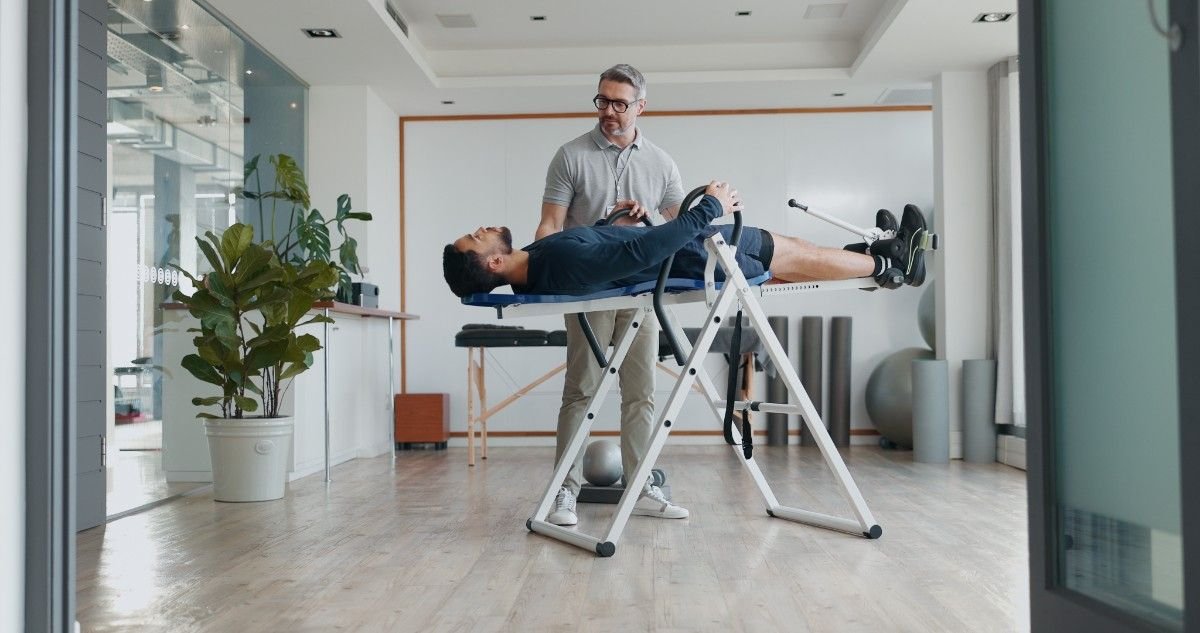
Tilt Table therapy is a crucial rehabilitation technique used for patients who are unable to stand on their own due to neurological conditions, prolonged bed rest, or spinal cord injuries. The device is a motorized bed that gradually tilts from a horizontal (0°) to a vertical (90°) position, allowing the patient to experience the physiological benefits of standing while being safely secured.
This therapy is vital for reintroducing the body to gravity. It helps regulate blood pressure (treating orthostatic hypotension), improves ventilation, and provides essential weight-bearing stimulus to bones and muscles, which is critical for preventing atrophy during recovery.
Why Verticalization Matters
For patients recovering from severe trauma or neurological events, the "Individualized Approach" to verticalization ensures safety and progress. We monitor vitals closely as we gradually increase the angle of inclination to retrain the cardiovascular system.
- Improves Orthostatic Tolerance (Blood Pressure control)
- Prevents Bone Density Loss (Osteoporosis)
- Reduces Spasticity and Muscle Contractures
- Improves Lung Function and Breathing
- Enhances Bowel and Bladder Function
- Promotes Psychological Well-being (Eye-level interaction)
- Increases Arousal in patients with reduced consciousness
- Provides prolonged stretch to calf muscles
Common Questions
Tilt table testing and therapy are specialized procedures. Here are the most common questions patients and families ask us.
It is primarily beneficial for patients with Spinal Cord Injuries (SCI), Traumatic Brain Injuries (TBI), stroke survivors, or those who have been bedridden for long periods (ICU acquired weakness). It is also used to diagnose unexplained fainting (syncope).
No, it is not painful. However, some patients may feel lightheaded or dizzy as the angle increases. This is why our therapists continuously monitor heart rate and blood pressure. If dizziness occurs, the table is simply lowered back down until the patient recovers.
Bones need "weight-bearing" stress to maintain density. When a patient lies in bed for weeks, bones weaken (osteopenia/osteoporosis). The tilt table simulates standing, putting necessary weight through the leg bones to stimulate bone health and prevent fractures.
Safety is paramount. The patient is secured with three heavy-duty straps (chest, pelvis, and knees). A physiotherapist is present at all times to monitor vitals and engage the patient. The table's motor allows for immediate lowering if the patient feels unwell.
Yes. Spasticity often causes the calf muscles to tighten, pointing the toes down. Standing on the tilt table provides a prolonged, consistent stretch to the calf muscles and Achilles tendon, which can be more effective than manual stretching alone in reducing spasticity.